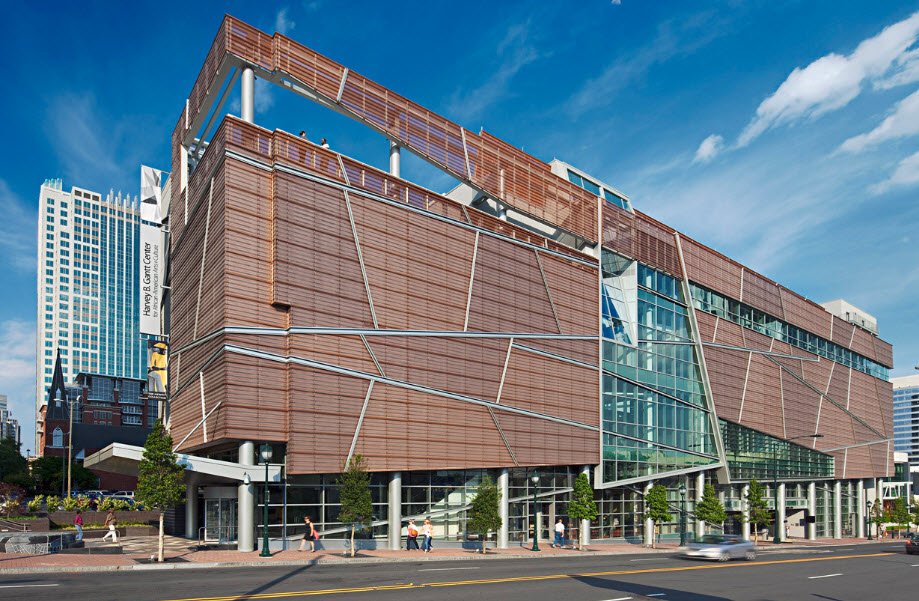
The Harvey B. Gantt Center for African-American Arts + Culture in Charlotte, North Carolina, was established in 1974 originally as the Afro-American Cultural and Service Center to preserve, present, and celebrate African-American art, history, and culture.
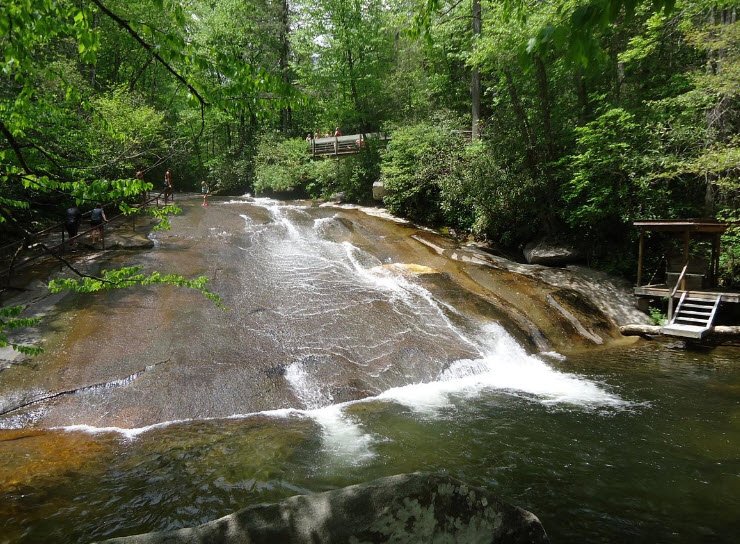
Sliding Rock in North Carolina is a 60-foot natural waterfall located on Looking Glass Creek in Pisgah National Forest near Brevard, where visitors can slide down a smooth rock face into a plunge pool about 8 feet deep.
Old Salem Museums & Gardens in Winston-Salem, North Carolina, is a living history site preserving the 18th- and 19th-century Moravian settlement founded in 1766 on nearly 100,000 acres purchased in the North Carolina Piedmont, featuring restored buildings, gardens, and artisan demonstrations that recreate communal life under church oversight.
Fort Macon State Park in Atlantic Beach, North Carolina, encompasses a 424-acre coastal site featuring the historic pentagonal brick Fort Macon, constructed from 1826 to 1834 as part of the U.S. Third System fortifications to guard Beaufort Inlet and Harbor against naval threats.
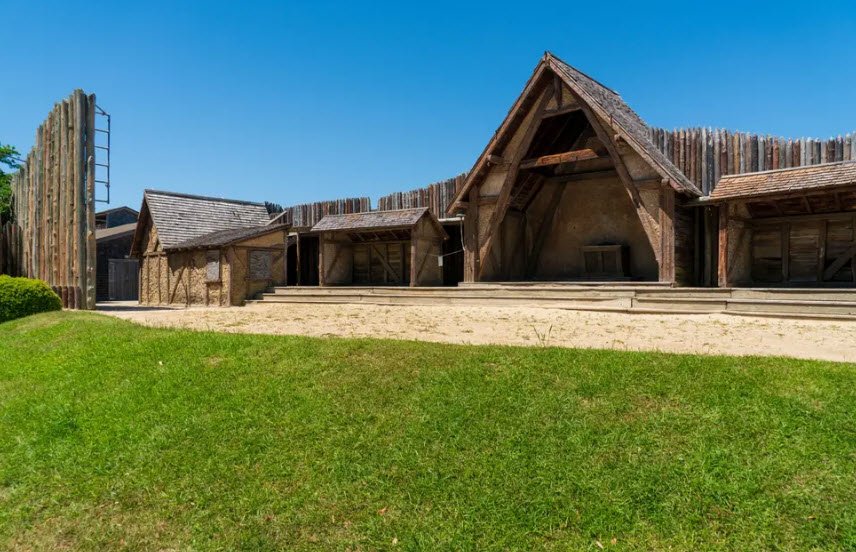
Fort Raleigh National Historic Site on Roanoke Island, North Carolina, preserves the site of the first English attempts to colonize North America from 1585 to 1587 under Sir Walter Raleigh, including the reconstructed earthwork fort from Ralph Lane's New Fort in Virginia and the infamous Lost Colony of 1587 that vanished mysteriously, leaving behind the birthplace of Virginia Dare, the first English child born in the New World.
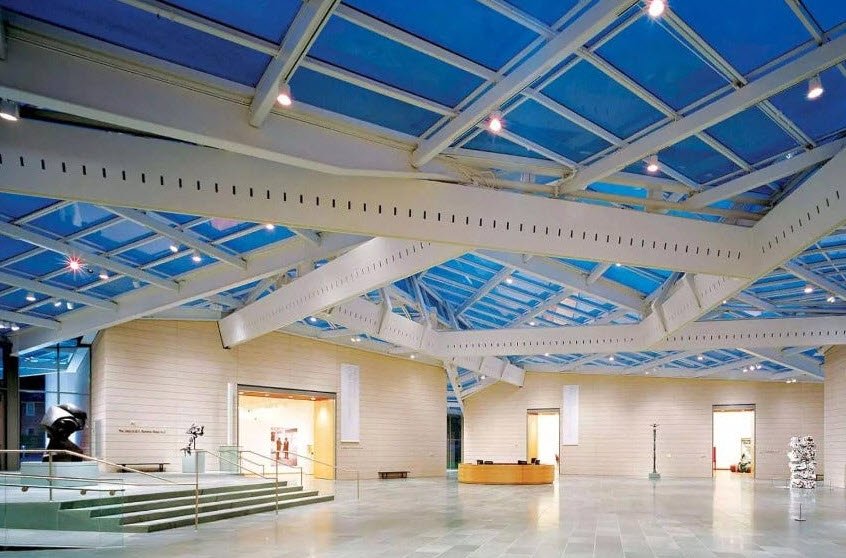
The Nasher Museum of Art at Duke University in Durham, North Carolina, is a modern 65,000-square-foot facility designed by architect Rafael Viñoly that opened in 2005 after evolving from the Duke University Museum of Art founded in 1969 with a collection of medieval works.
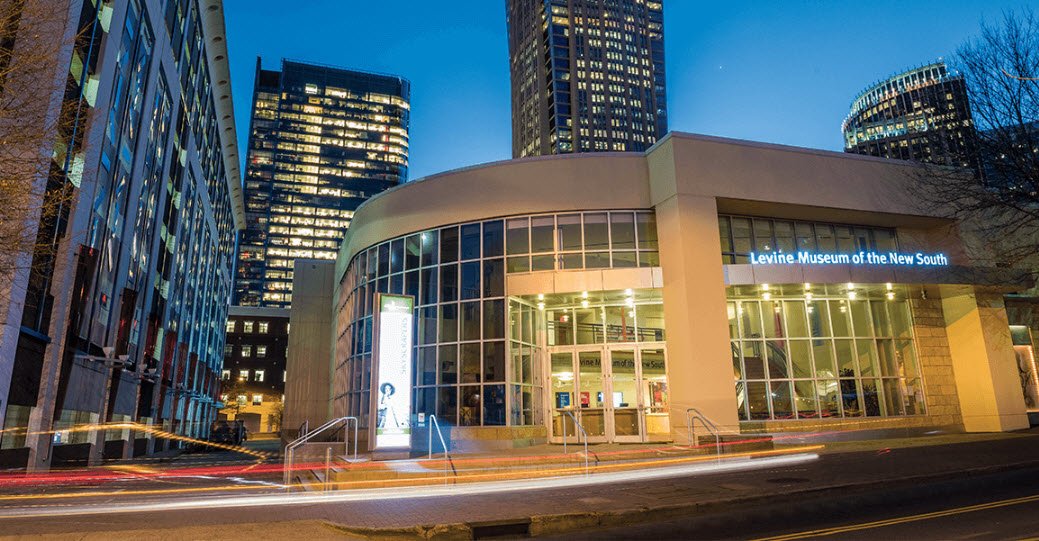
Levine Museum of the New South in uptown Charlotte, North Carolina, founded in 1991 as the Museum of the New South and renamed in 2001 after philanthropist Leon Levine, explores the post-Civil War transformation of Charlotte and the Carolina Piedmont from cotton fields and mills to a modern urban center through interactive exhibits and programs that confront regional history including labor strikes, civil rights, and social justice.
Old Settlers' Cemetery in Charlotte, North Carolina, is the city's first municipal burial ground, established around 1776 and used until the late 19th century.
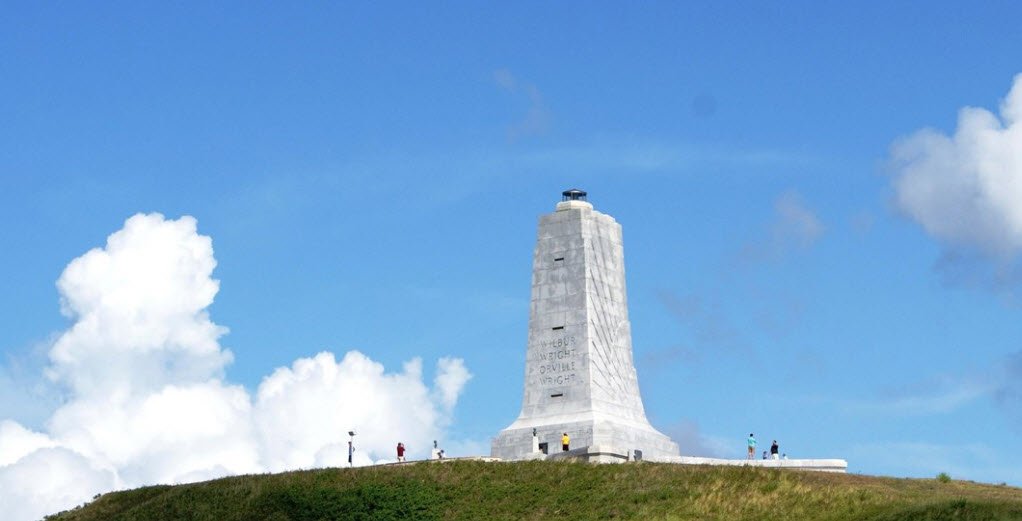
Wright Brothers National Memorial, located in Kill Devil Hills on North Carolina's Outer Banks, commemorates the first successful powered airplane flights by Orville and Wilbur Wright on December 17, 1903, when they achieved four flights covering 120 to 852 feet from a site chosen for its steady winds and soft sands.
The North Carolina Arboretum, located just south of Asheville in the Southern Appalachian Mountains, is a 434-acre public garden set within the Bent Creek Experimental Forest of the Pisgah National Forest.
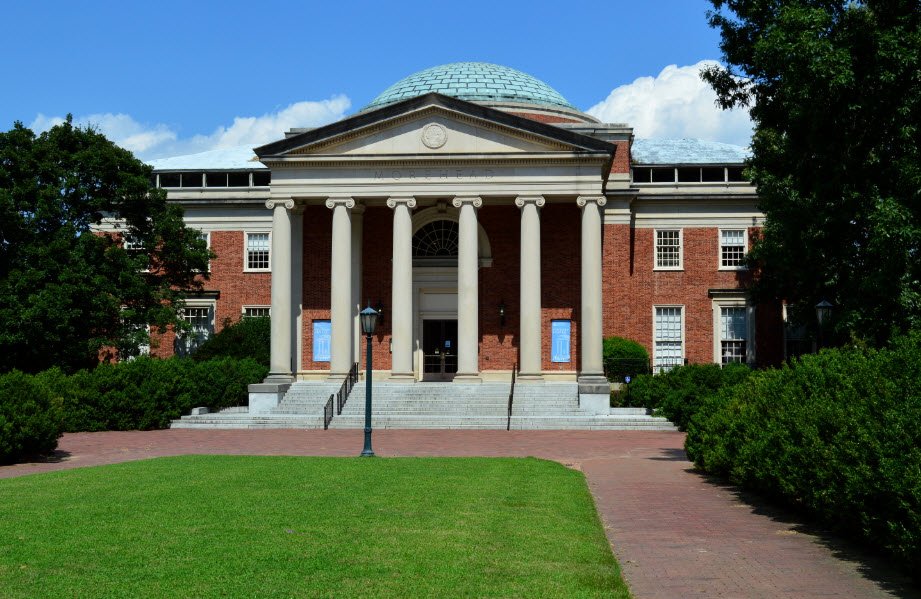
The Morehead Planetarium and Science Center, located at the University of North Carolina at Chapel Hill, opened in 1949 as the first planetarium on a university campus in the world and the first in the Southern United States.
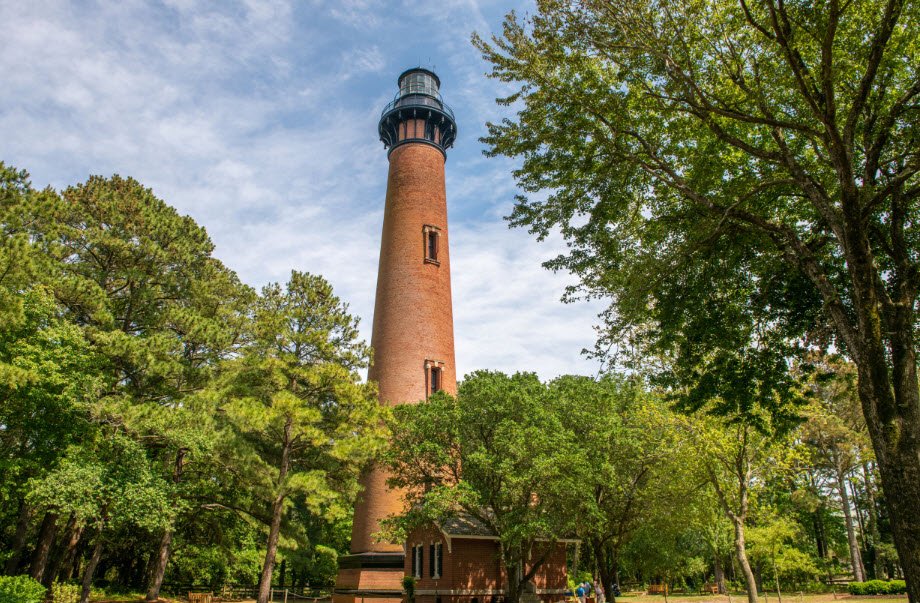
The Currituck Beach Lighthouse in North Carolina was constructed starting in 1872 and first lit on December 1, 1875, to fill a dark 40-mile stretch of dangerous coastline between Cape Henry, Virginia, and Bodie Island, North Carolina.
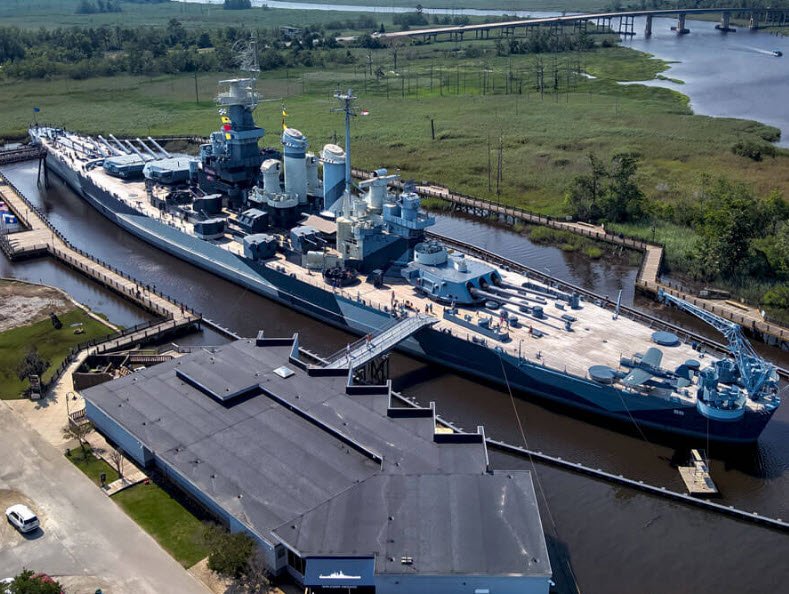
The Battleship North Carolina, moored in Wilmington, North Carolina, is a World War II-era fast battleship that was the lead ship of its class and the first U.S. battleship built in 16 years, commissioned in 1941.
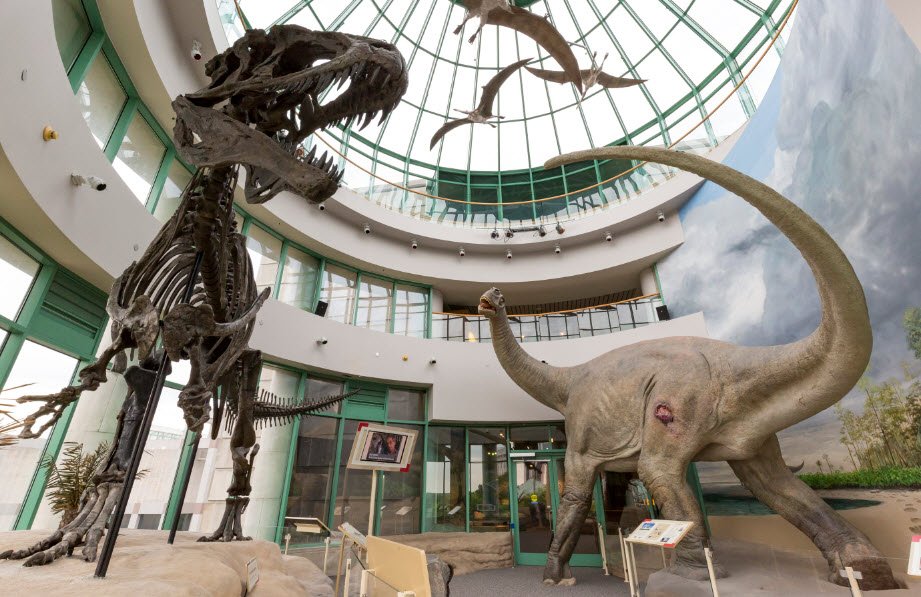
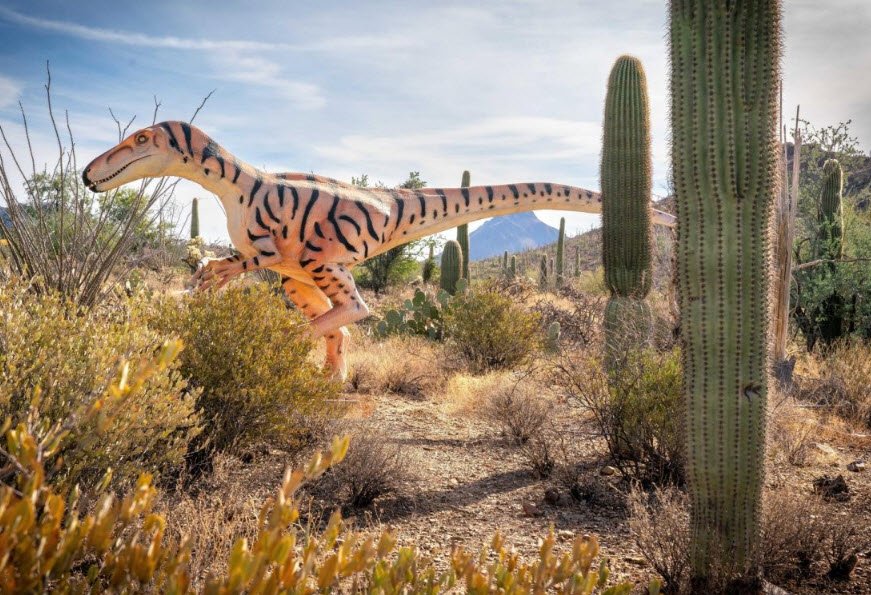
North Carolina Museum of Natural Sciences, the Southeast's largest natural history museum in downtown Raleigh at 11 West Jones Street, spans over 300,000 square feet across the Nature Exploration Center and Nature Research Center with more than 1.7 million specimens including dinosaurs, whale skeletons, live animals like sloths and butterflies, and hands-on labs for DNA, microbes, and fossils.
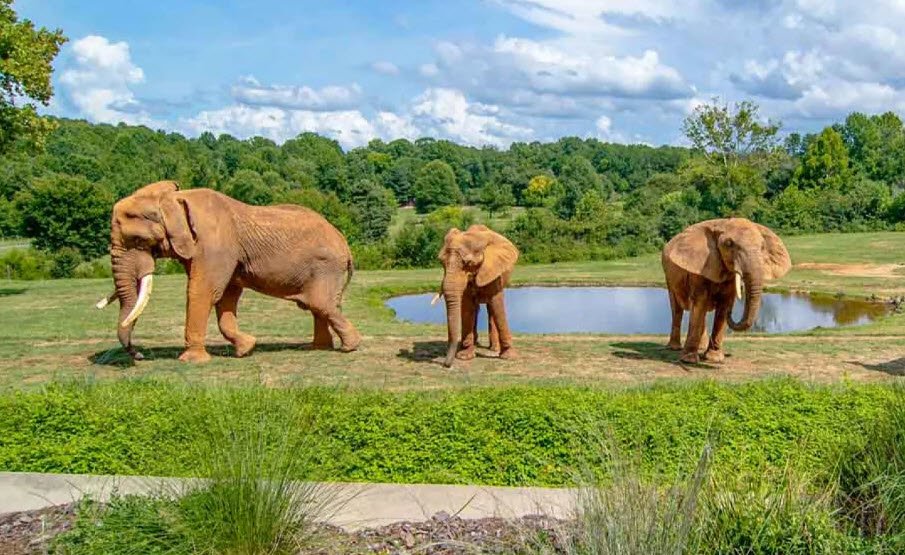
The North Carolina Zoo in Asheboro is the world's largest natural habitat zoo, spanning 500 developed acres within a total of 2,600 acres and housing about 1,700 animals from over 250 species primarily representing Africa and North America.