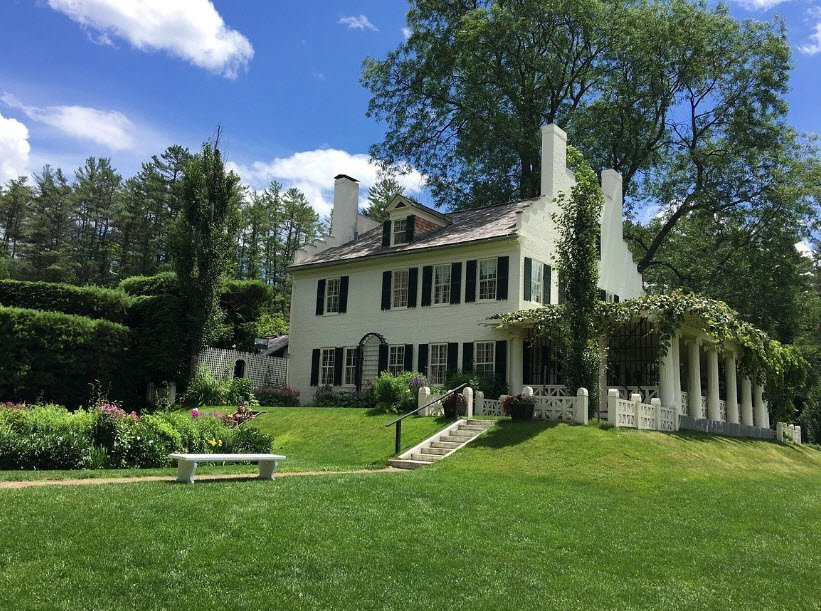
The Maine Historical Society, located in downtown Portland, is the state's official historical society founded in 1822, making it the third-oldest in the United States.
Victoria Mansion, also known as the Morse-Libby House, is a historic Italianate-style brownstone villa in Portland, Maine, completed between 1858 and 1860 as a summer home for wealthy hotelier Ruggles Sylvester Morse.
The Portland Observatory in Maine, built in 1807 by retired sea captain Lemuel Moody, is the only remaining maritime signal tower of its kind in the United States.
Grafton Notch State Park spans 3,129 acres in Oxford County, Maine, surrounding the dramatic mountain pass between Old Speck Mountain and Baldpate Mountain in the rugged Mahoosuc Range.
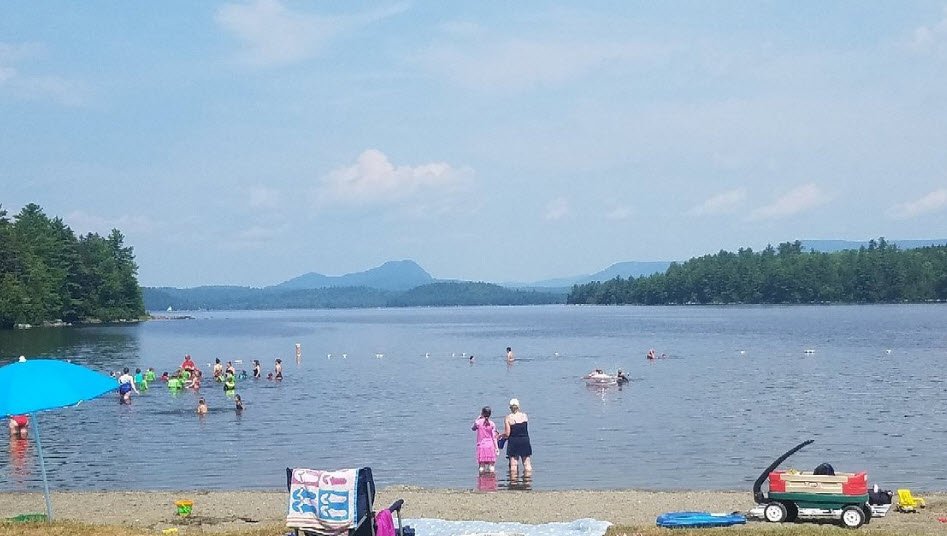
Rangeley Lake State Park covers 870 acres on the southern shore of Maine's 6,000-acre Rangeley Lake in Franklin County, straddling the town of Rangeley and Rangeley Plantation.
Eastern Promenade in Portland, Maine, is a historic and scenic 68-acre public park and notable street that runs along the northeastern slope of Munjoy Hill on the eastern edge of Portland's peninsula.
Androscoggin Riverlands State Park spans 2,675 acres across Turner and Leeds near Lewiston-Auburn, Maine's second-largest urban area, featuring 12 miles of frontage along the wide Androscoggin River.
The Colby College Museum of Art in Waterville, Maine, founded in 1959, is a major cultural institution boasting nearly 8,000 works of art across more than 38,000 square feet of exhibition space.
York, Maine, originally called Agamenticus by the Abenaki people, is one of the oldest European settlements in the region, first settled by English colonists in 1624.
The Tate House Museum in Portland, Maine, is an exceptional example of Georgian Colonial architecture built in 1755 for Captain George Tate, a senior mast agent for the British Royal Navy responsible for overseeing the shipment of Maine’s massive white pine trees used in ship masts.
Mount Kineo rises 1,789 feet as a striking 1,150-acre peninsula jutting into Maine's Moosehead Lake, featuring dramatic 700-foot rhyolite cliffs that plunge straight into the water.
Fort Popham State Historic Site in Phippsburg, Maine, is a Civil War-era coastal defense fortification built beginning in 1862 to protect Maine’s capital, Augusta, and nearby shipyards from potential Confederate naval attacks.
Peaks-Kenny State Park covers 813 acres on the south shore of Sebec Lake in Dover-Foxcroft, Maine, named for Francis J. Peaks who donated the land in 1964 to honor his sister Annie Peaks Kenny and parents Joseph and Eliza Peaks.
Swan Lake State Park covers 67 acres at the north end of the 1,370-acre Swan Lake in Swanville, Waldo County, Maine, offering day-use recreation amid scenic rolling hills and forests.
The Ogunquit Museum of American Art in Maine, founded in 1953 by Lost Generation artist Henry Strater, is a vibrant cultural institution showcasing over 3,000 works that span from the late 1800s to the present day.