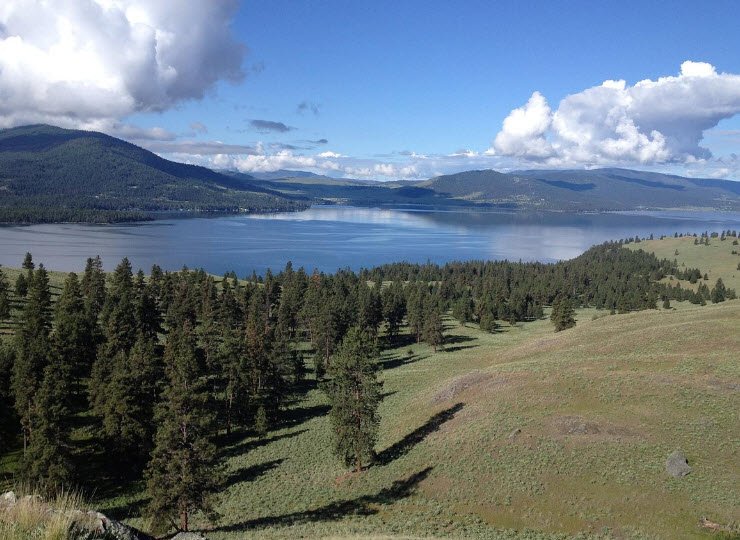
Wild Horse Island State Park, Montana's largest island state park at 2,160 acres, sits in Flathead Lake south of Glacier National Park and is accessible only by boat or kayak from points like Big Arm or Skeeko Bay.
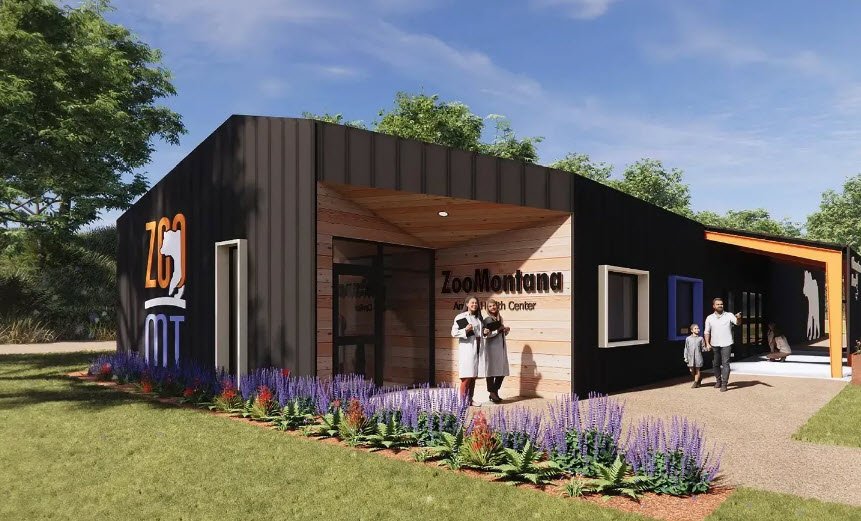
ZooMontana, located in Billings, Montana, is the state's only zoological and botanical park, covering 70 acres and home to nearly 100 animals from 58 species.
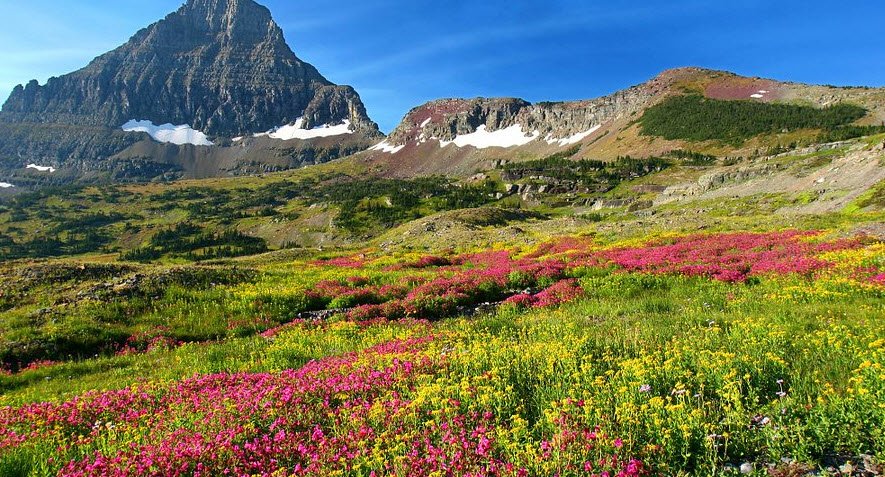
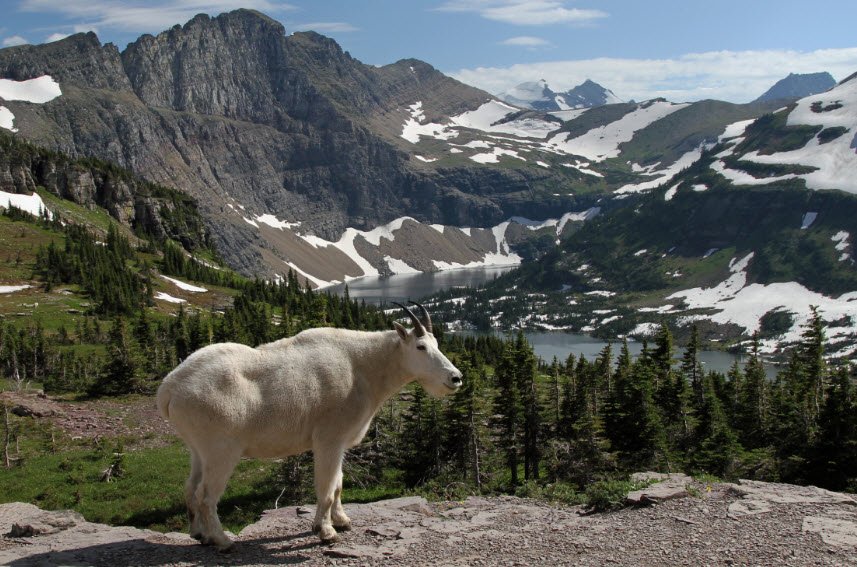
Logan Pass is the highest point along the Going-to-the-Sun Road in Glacier National Park, Montana, sitting at an elevation of 6,646 feet along the Continental Divide.
Glacier County, Montana, located along the northern border with Canada, covers over 3,000 square miles combining high plains and rugged mountain terrain, including parts of Glacier National Park.
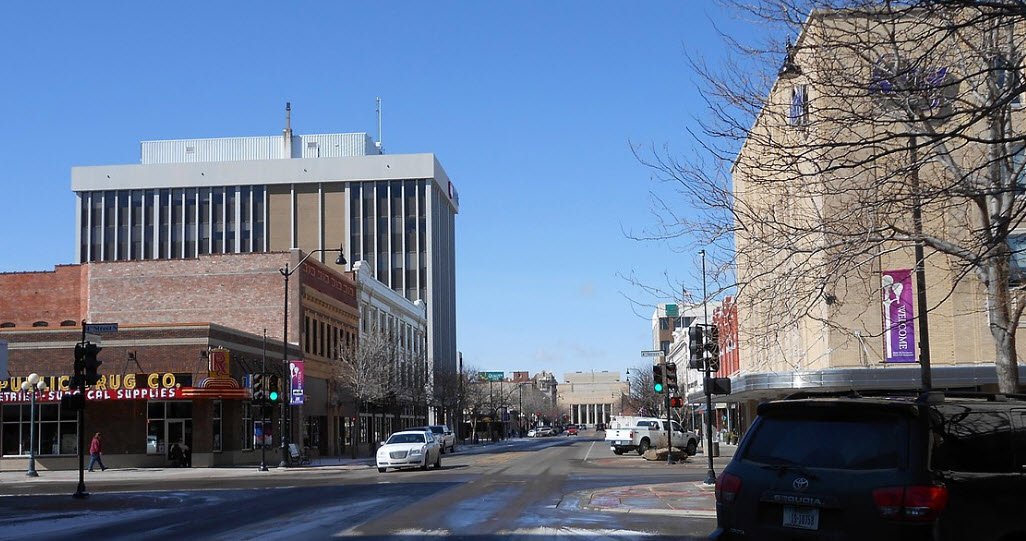
Great Falls, Montana, was founded in 1884 by entrepreneur Paris Gibson and railroad magnate James J. Hill, inspired by the power potential of the nearby series of waterfalls on the Missouri River.
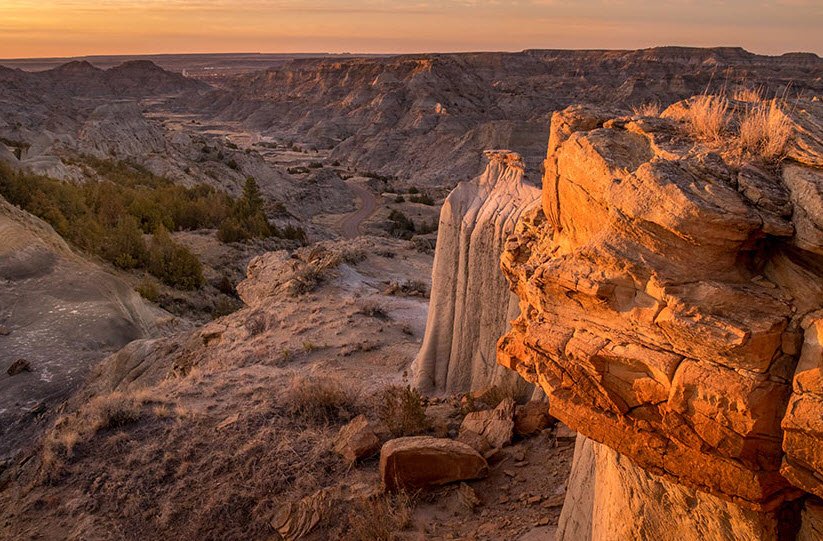
Makoshika State Park, Montana's largest state park, is a nature preserve located near Glendive featuring expansive badland formations and rich fossil deposits from the Hell Creek Formation, including dinosaur fossils such as Tyrannosaurus rex and Triceratops.
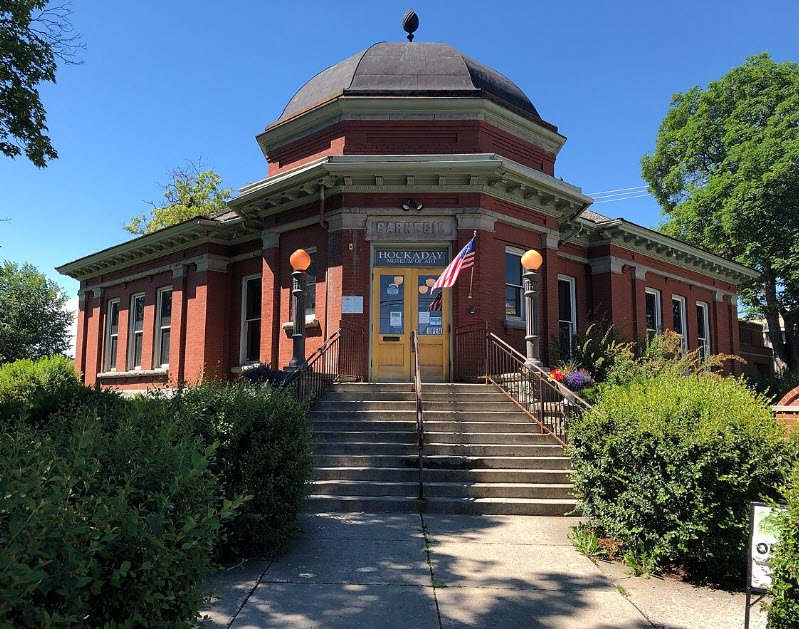
The Hockaday Museum of Art in Kalispell, Montana, was established in 1969 as a community art center and later became a museum focusing on the art and culture of Montana and Glacier National Park.
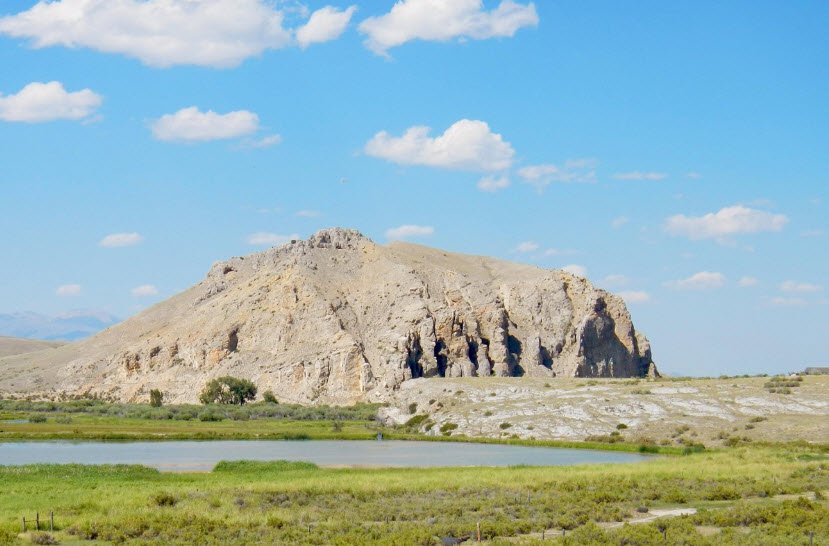
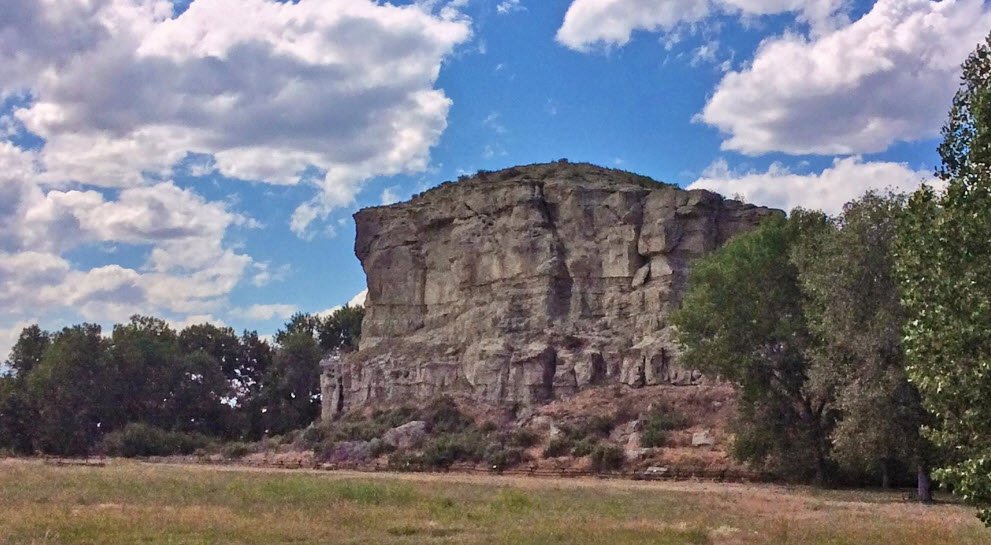
Pompeys Pillar is a prominent natural sandstone butte in Montana that rises nearly 150 feet above the Yellowstone River valley and covers about an acre at its base.
The Missoula Art Museum, located in Missoula, Montana, is a dynamic cultural institution that celebrates the vibrant art scene of the region and beyond.
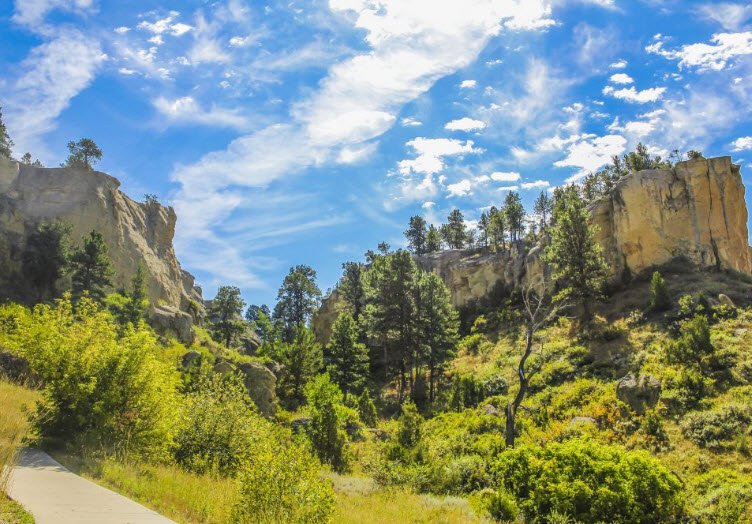
Pirogue Island State Park spans 269 acres as an isolated, cottonwood-shaded island in the Yellowstone River, located two miles north of Miles City, Montana.
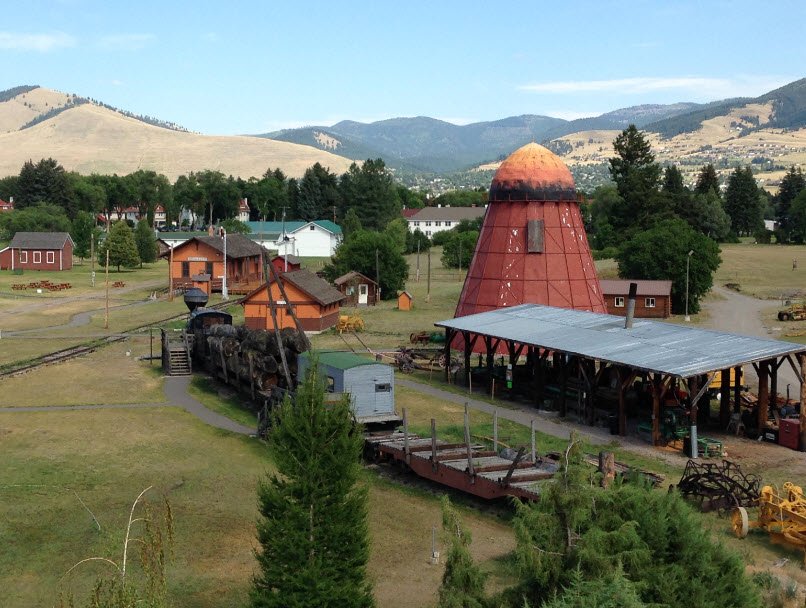
The Historical Museum at Fort Missoula in Montana is a comprehensive museum dedicated to preserving and interpreting the history of Missoula County and the historic Fort Missoula itself.
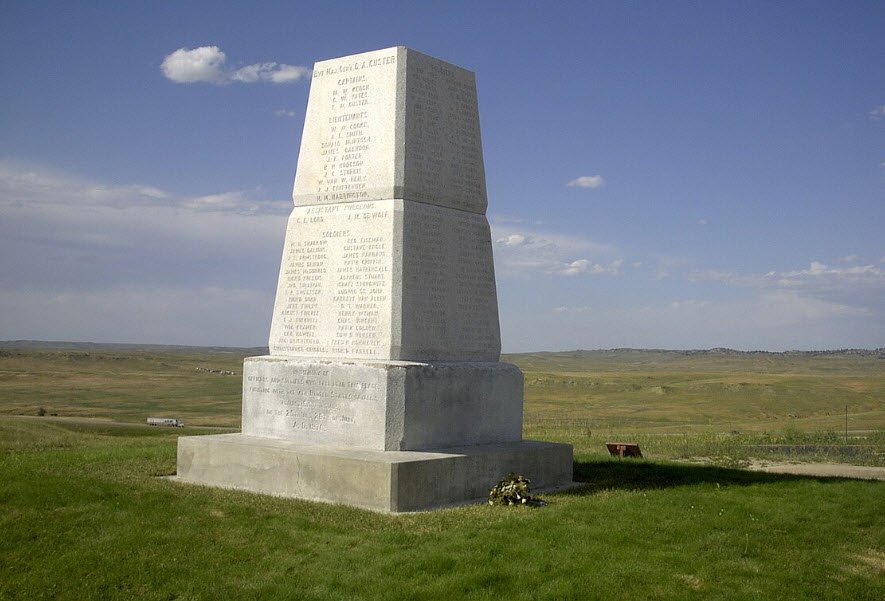
Little Bighorn Battlefield National Monument in Montana preserves the site of the June 25-26, 1876, Battle of the Little Bighorn where the combined forces of Lakota Sioux, Northern Cheyenne, and Arapaho warriors defeated the 7th U.S. Cavalry led by Lieutenant Colonel George Armstrong Custer.
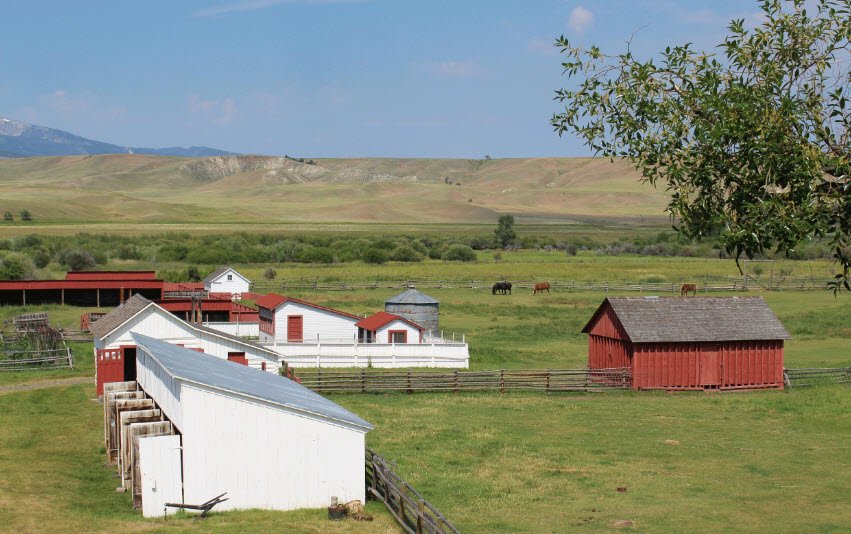
The Grant-Kohrs Ranch National Historic Site in Montana preserves a historic cattle ranch founded in 1862 by Canadian fur trader Johnny Grant and later expanded by cattle baron Conrad Kohrs into a sprawling operation that once managed over 10 million acres.
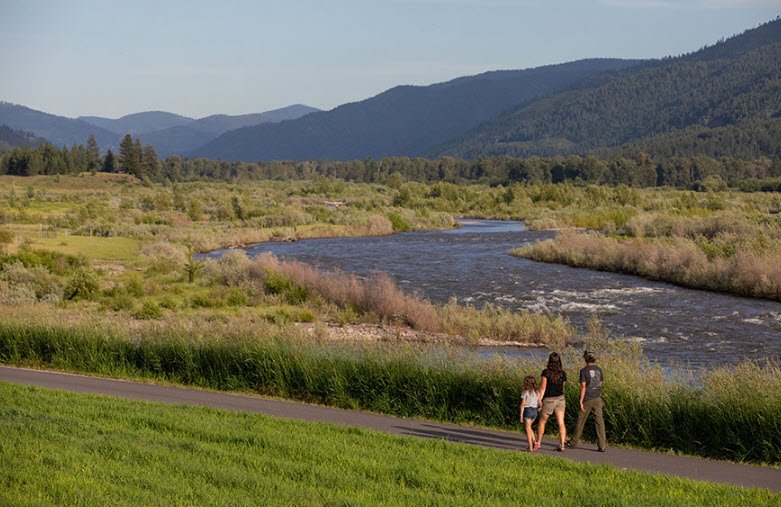
Milltown State Park Confluence Area spans nearly 635 acres east of Missoula, Montana, at the restored meeting point of the Clark Fork and Blackfoot Rivers following the 2008 removal of the historic Milltown Dam, a former Superfund site once used for lumber milling and power generation.
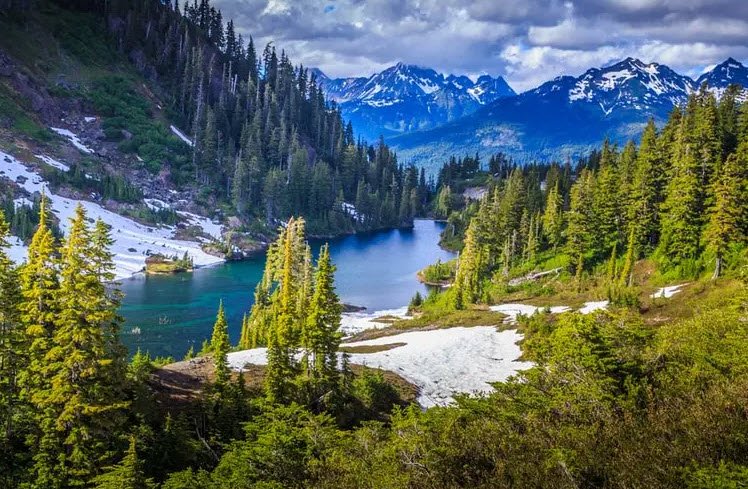
Flathead County in northwest Montana spans over 5,000 square miles, with nearly 94 percent public land including Flathead National Forest, Bob Marshall Wilderness, and Glacier National Park's western boundary.