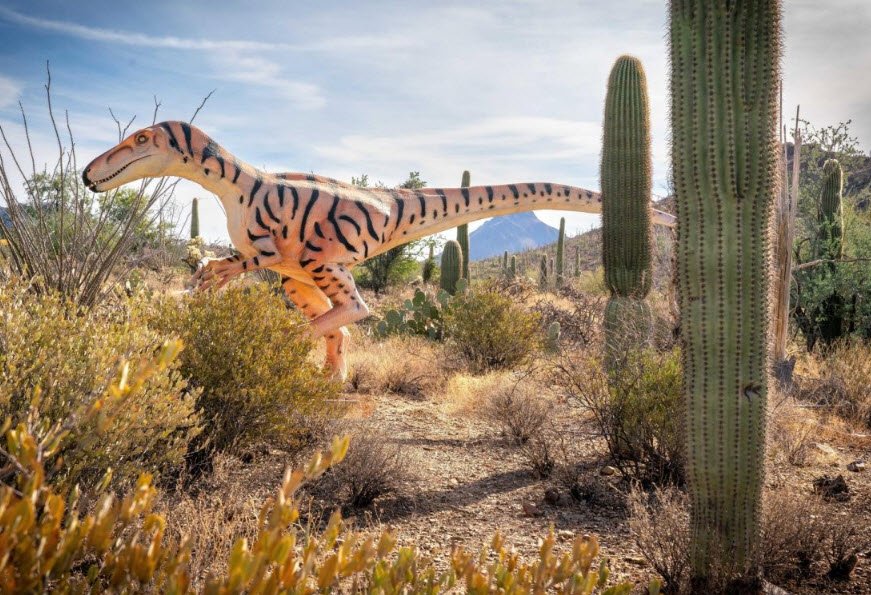
The Dickinson Museum Center in North Dakota is a cultural and natural history complex that includes the Badlands Dinosaur Museum, Joachim Regional Museum, Pioneer Machinery Hall, and Prairie Outpost Park.
Sky Dancer Casino & Resort in Belcourt, North Dakota, is owned by the Turtle Mountain Band of Chippewa Indians and located at 3965 Sky Dancer Way N.E. in the Turtle Mountains, about 15 minutes south of the Canadian border.
Knife River Indian Villages National Historic Site, located near Stanton in central North Dakota at the confluence of the Knife and Missouri Rivers, preserves the archaeological remains of Hidatsa earthlodge villages that thrived as major trade and farming centers for over 11,000 years, with three main sites—Awatixa Xi'e, Awatixa, and Big Hidatsa—housing up to 210 lodge depressions from the 16th to 19th centuries.
Fort Mandan Overlook State Historic Site, located 14 miles west of Washburn in McLean County, North Dakota, overlooks the original site along the Missouri River where the Lewis and Clark Expedition built their triangular winter fort in 1804-1805 for shelter amid harsh conditions and cultural exchange with Mandan and Hidatsa peoples.
Theodore Roosevelt National Park in western North Dakota spans 70,446 acres across three units—South Unit near Medora, North Unit near Watford City, and remote Elkhorn Ranch Unit—honoring the 26th president's ranching days in the 1880s amid the Little Missouri River's badlands that shaped his conservation legacy.
Plains Art Museum in downtown Fargo, North Dakota, is the state's largest accredited art museum, housed in a renovated turn-of-the-century International Harvester warehouse opened in 1997 after starting as the Red River Art Center in 1965.
Fort Ransom State Park in North Dakota, nestled in the scenic Sheyenne River Valley, takes its name from a short-lived 1860s military fort built to protect settlers and Northern Pacific Railroad workers, though no structures remain except markers at a nearby historic site.
The North Dakota Cowboy Hall of Fame, located at 250 Main Street in Medora, North Dakota, was established in 1995 to preserve the state's western heritage through Native American horse culture, ranching, homesteading, and rodeo traditions, opening its interpretive center in 2005 with galleries, a theater, artifacts, and a Hall of Honorees inducting cowboys, cowgirls, ranches, and livestock.
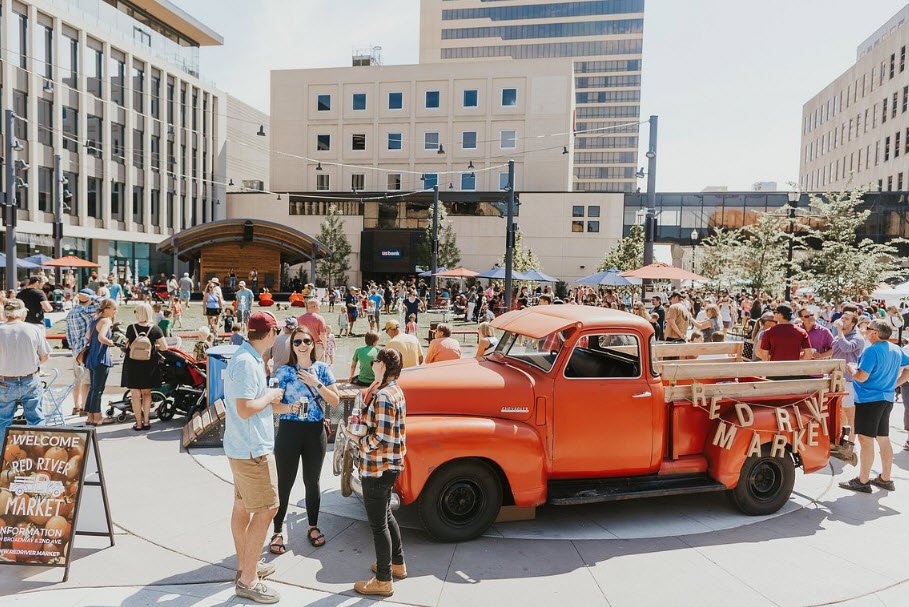
The Red River Market in downtown Fargo, North Dakota, at Broadway Square on 201 Broadway N, operates every Saturday from 10 a.m. to 2 p.m. from mid-July through late October, featuring fresh local produce, baked goods, artisan crafts, flowers, handmade soaps, and ready-to-eat foods from over 100 vendors.
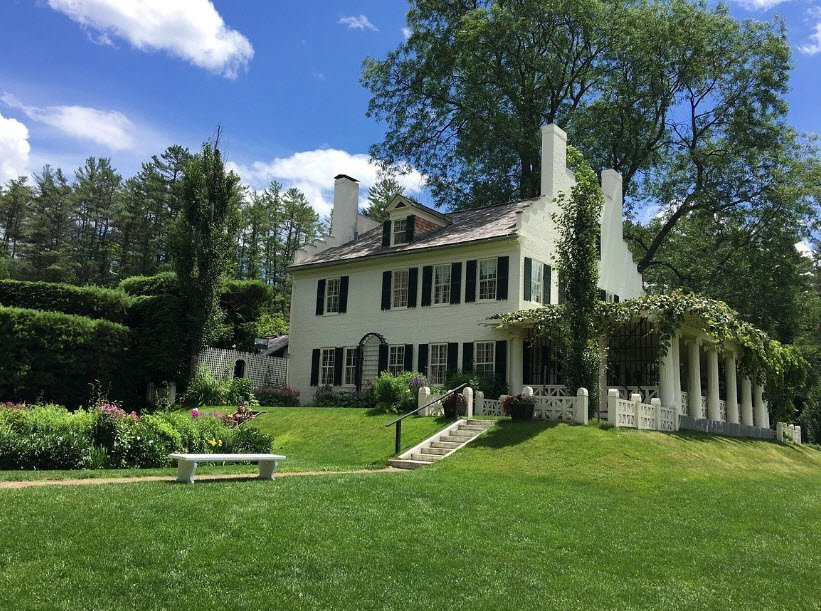
The Chateau de Mores State Historic Site in Medora, North Dakota, preserves the 26-room home built in 1883 by the Marquis de Mores, a French aristocrat and entrepreneur who came to the Dakota Territory with plans to revolutionize the cattle industry by slaughtering cattle locally and shipping dressed meat east in refrigerated rail cars.
The Maah Daah Hey Trail is a 144-mile non-motorized singletrack trail that winds through the rugged Badlands of southwestern North Dakota, stretching from the Burning Coal Vein Campground south of Medora to the CCC Campground near Watford City.
The South Unit of Theodore Roosevelt National Park in North Dakota is the largest and most visited section of the park, known for its dramatic badlands scenery, abundant wildlife, and historical sites.
Fort Mandan State Historic Site near Washburn, North Dakota, marks the location where the Lewis and Clark Expedition built a triangular wooden fort in late 1804 to spend the winter of 1804-1805.
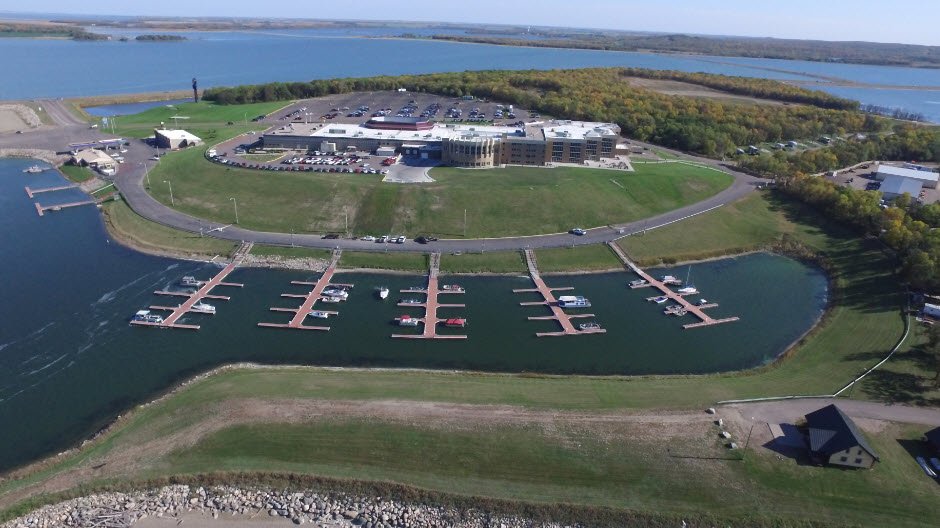
Spirit Lake Casino & Resort in St. Michael, North Dakota, on the shores of Devils Lake, is owned by the Spirit Lake Sioux Tribe and opened in 1996 as a 49,000-square-foot gaming destination.
Mandan, North Dakota, is a city of about 24,800 people on the Missouri River's west bank across from Bismarck, serving as Morton County's seat since its formal incorporation in 1881 and named for the historic Mandan tribe, known as the people of the bank who once lived nearby in earth-lodge villages.
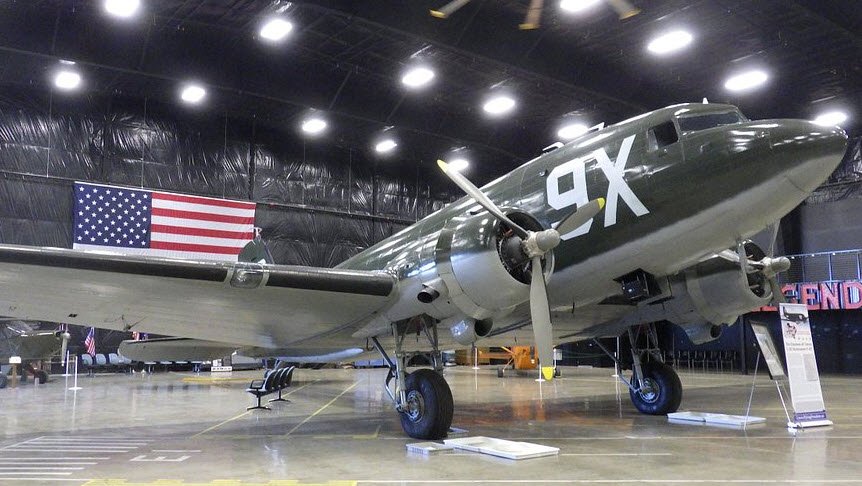
The Dakota Territory Air Museum in Minot, North Dakota, near Minot International Airport on North Hill, was founded in 1986 to honor aviation history through displays of aircraft, artifacts, and events that educate and inspire visitors of all ages.