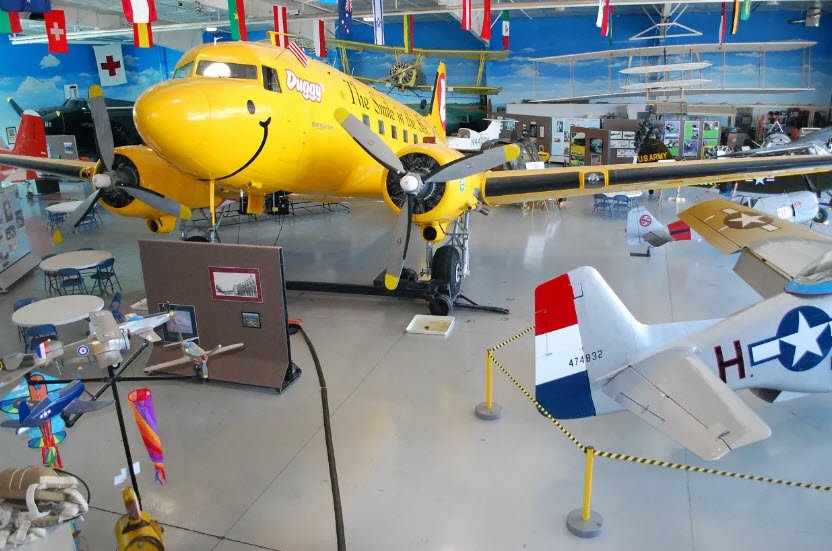
The Fargo Air Museum in North Dakota, located at Hector International Airport in Fargo, is an aviation museum that opened in 2001 with a mission to promote aviation through education, preservation, and restoration.
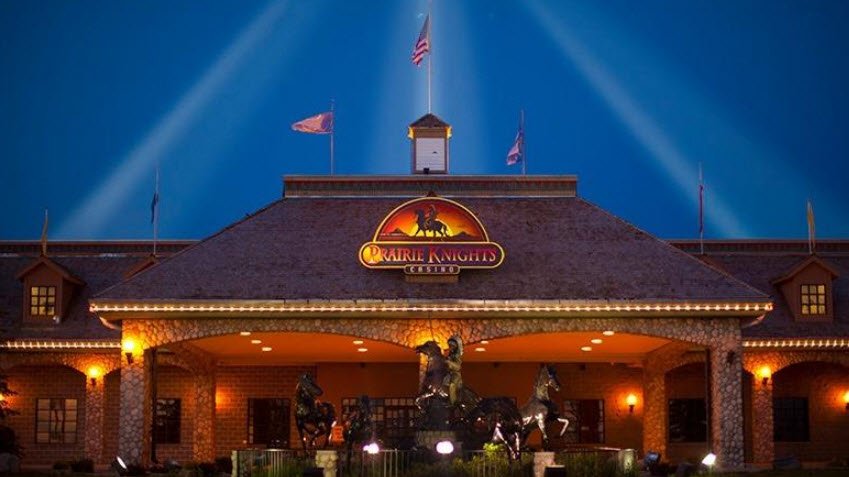
Lucky Strike Lounge and Casino at North Hill Bowl in Minot, North Dakota, located at 1901 N Broadway, offers North Dakota-style gaming including blackjack, pull tabs, bingo, e-tabs, and a pig wheel sponsored by the Minot Junior Golf Association.
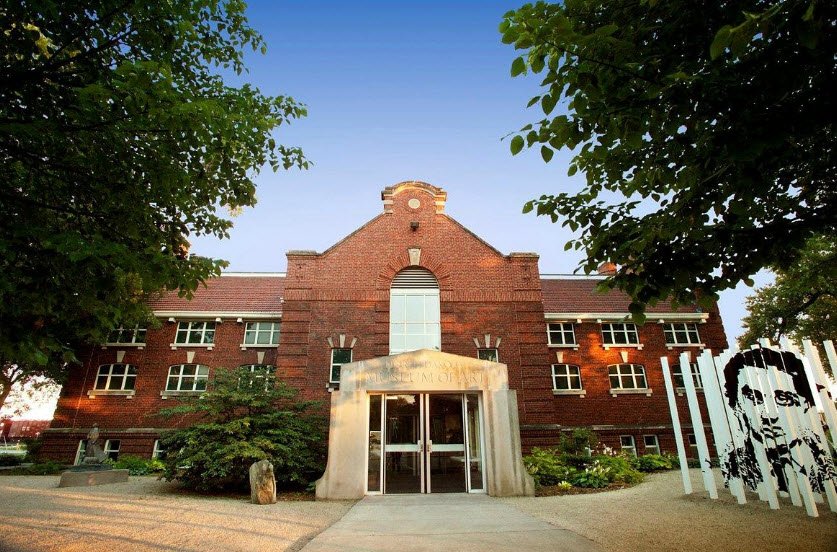
The North Dakota Museum of Art, located on the University of North Dakota campus in Grand Forks, collects contemporary international art in all media from the early 1970s onward, with a focus on the visual history of the region through works by artists like María Magdalena Campos Pons, Kiki Smith, and regional talents.
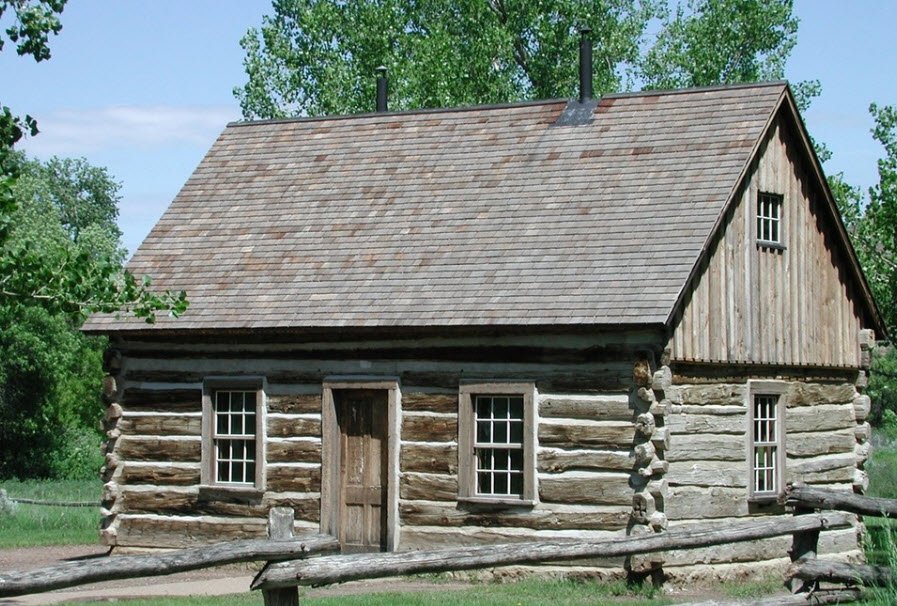
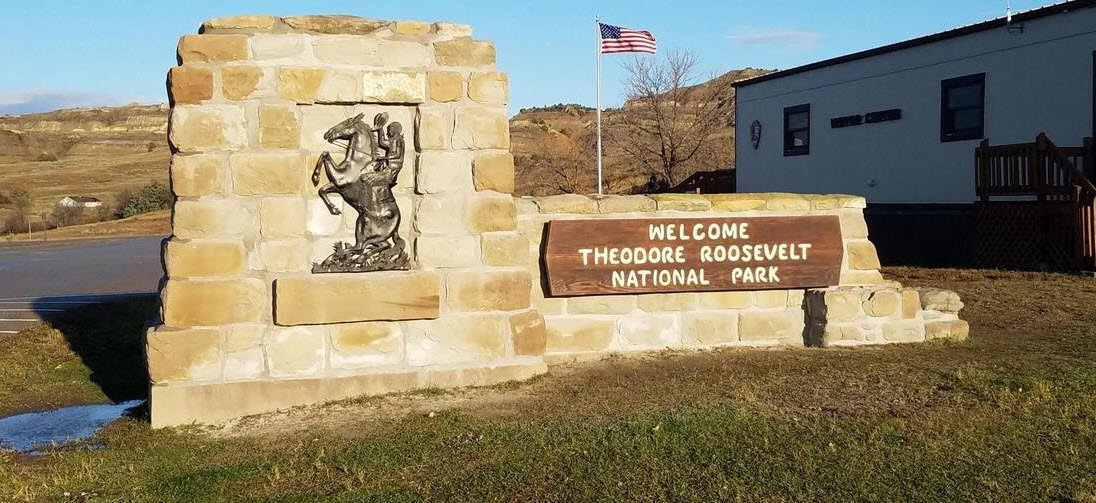
The Maltese Cross Cabin in North Dakota, located at the Theodore Roosevelt National Park Visitor Center near Medora, was built in 1883 as Theodore Roosevelt’s first ranch home in the Dakota Badlands.
The Medora Musical is a long-running outdoor revue staged nightly from early June through early September at the 2,900-seat Burning Hills Amphitheater carved into the North Dakota Badlands near Medora, celebrating Wild West history, Theodore Roosevelt's ranching days, cowboys, pioneer life, and patriotic themes with singing, dancing, comedy, acrobatics, and a live band against dramatic sunset backdrops.
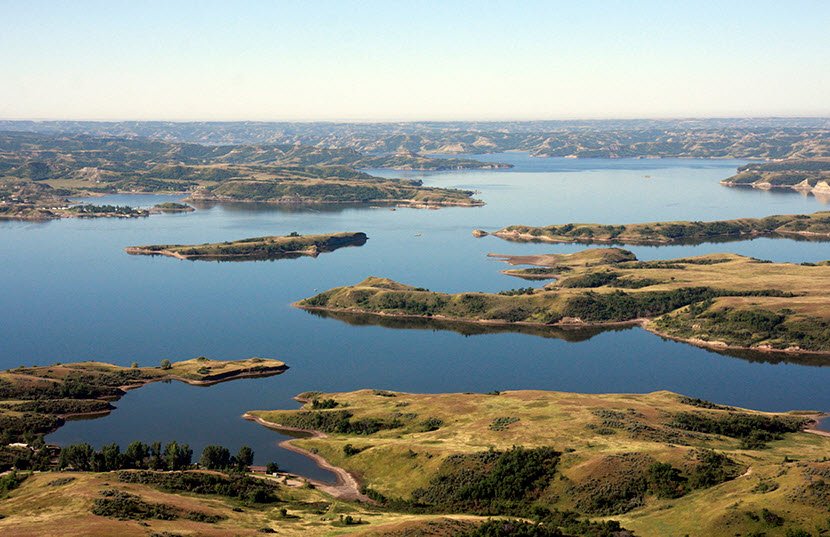
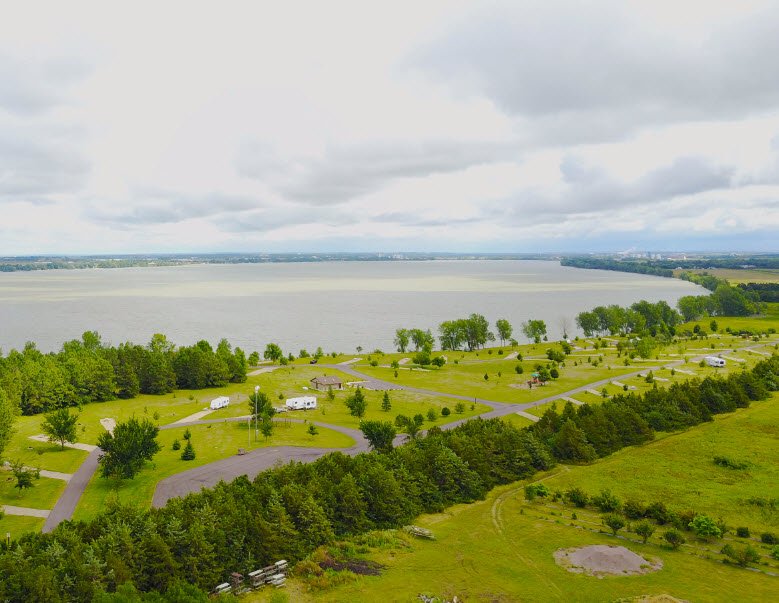
Lake Sakakawea, North Dakota's largest man-made lake entirely within the state, stretches 178 miles long across central and western counties like McLean, Mountrail, and Dunn, formed in 1953 by the U.S. Army Corps of Engineers' Garrison Dam on the Missouri River and named for Sacagawea of the Lewis and Clark Expedition.
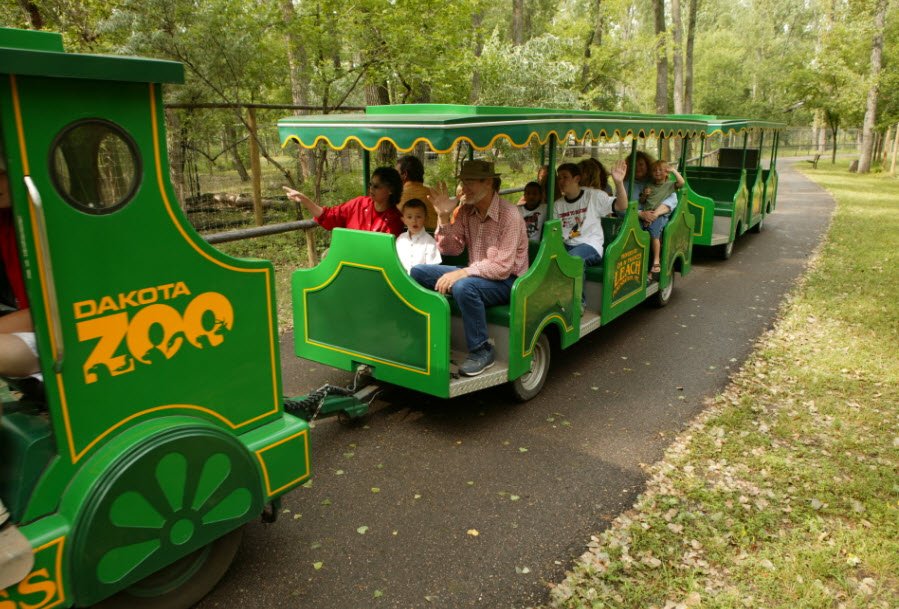
The Dakota Zoo in Bismarck, North Dakota, sits on 90 acres along the Missouri River's east bank and opened in 1961 after starting as a family farm that took in stray animals, now housing over 600 animals from 125 species including bison, mountain lions, big cats, primates, camels, reindeer, alligators, reptiles, birds, and small mammals like those in a prairie dog town and butterfly house.
The North Dakota State Capitol in Bismarck is a distinctive 21-story Art Deco skyscraper, known as the tallest building in the state at 242 feet and nicknamed the Skyscraper on the Prairie, completed in 1934 after the original 1884 capitol burned down in 1930 during the Great Depression.
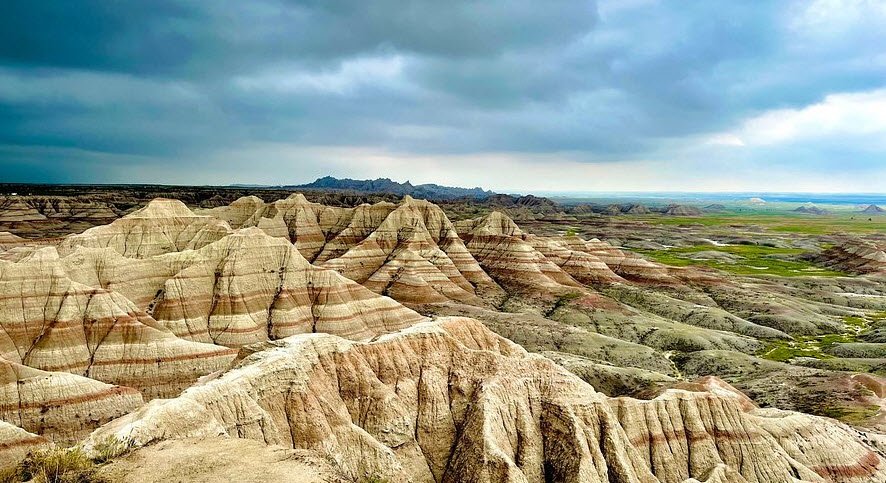
Badlands Overlook in the South Unit of Theodore Roosevelt National Park near Medora, North Dakota, offers stunning panoramic views of the rolling badlands carved by the Little Missouri River.
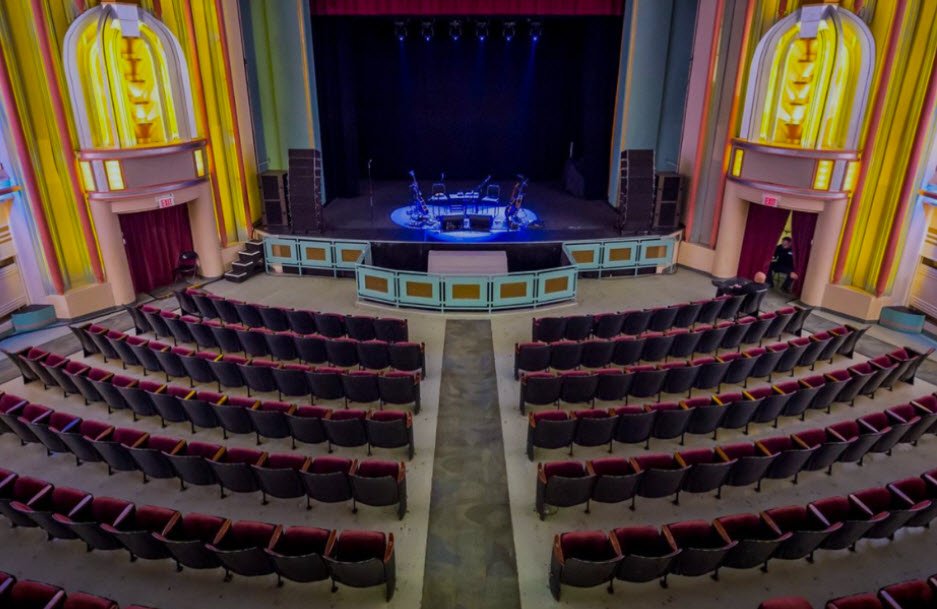
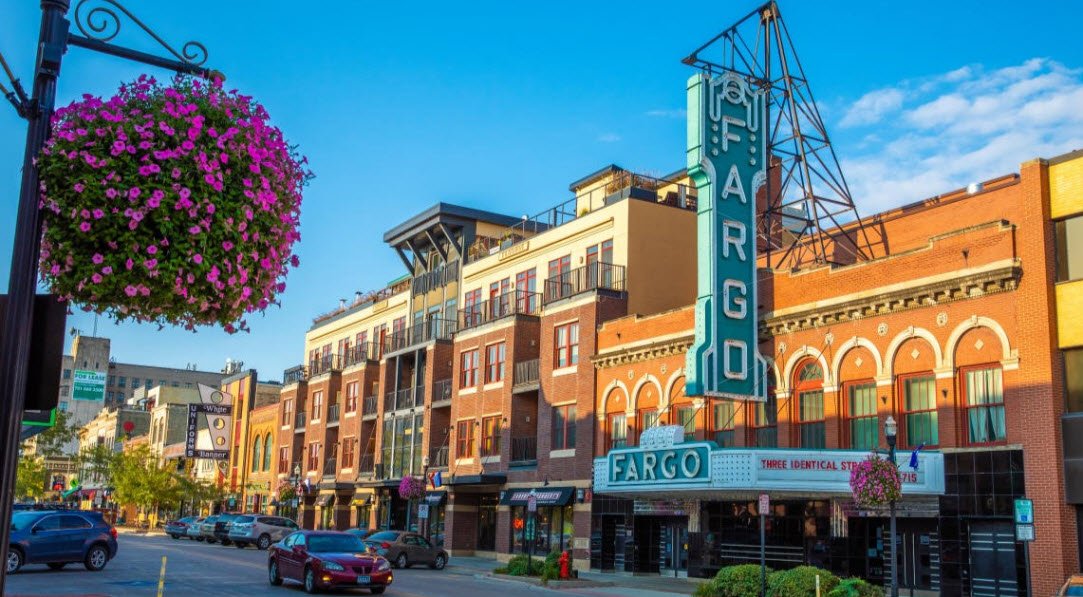
The Fargo Theatre in downtown Fargo, North Dakota, is a historic Art Deco cinema built in 1926, originally serving as a vaudeville theatre and movie palace.
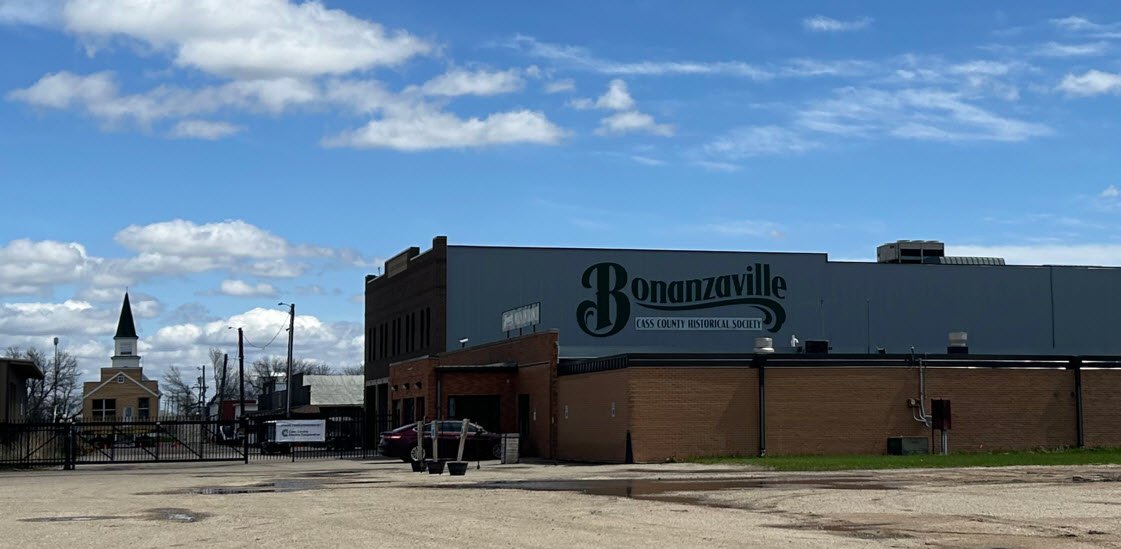
Bonanzaville USA in West Fargo, North Dakota, is a 12-acre pioneer village museum run by the Cass County Historical Society since 1954, featuring over 40 relocated historic buildings like Fargo's first house, a one-room schoolhouse, train depot, saloon, courthouse, blacksmith shop, and church that recreate Red River Valley life from indigenous times through modernization.
Grand Forks, North Dakota, is a city of around 60,000 people at the fork of the Red River of the North and Red Lake River, founded in 1871 by steamboat captain Alexander Griggs who wintered there after his boat iced in and platted the townsite, incorporating in 1881 amid rapid growth from railroad arrival, steamboat trade, and waves of Norwegian immigrants turning it into a wheat-farming hub.
Pelican/Sandy Lake Recreation Area is a primitive campground in Bottineau County, North Dakota, near the Canada border, offering tent sites without electricity or water hookups along with a drinking water well.
The North Unit Visitor Center, serving as a temporary contact station in Theodore Roosevelt National Park near Watford City, North Dakota along U.S. Highway 85, offers essential services for exploring the park's remote, rugged badlands about 14 miles south of town.
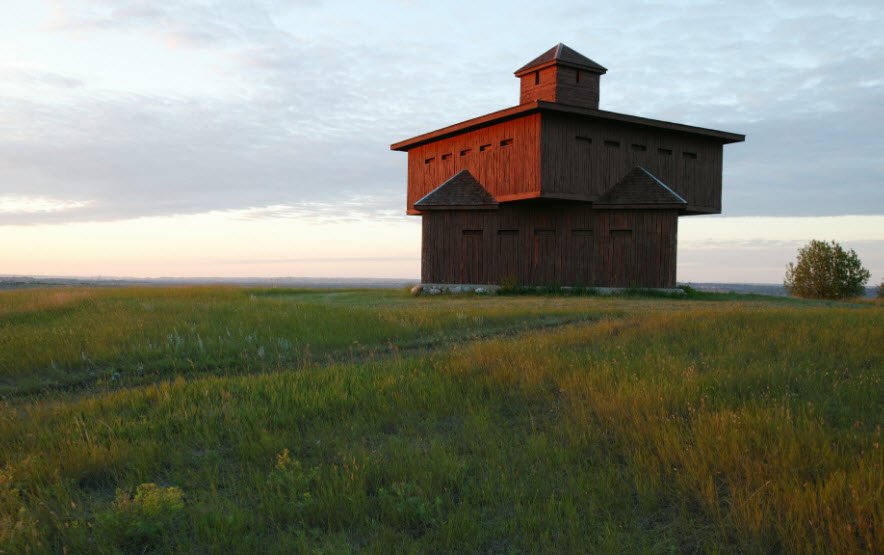
Fort Abraham Lincoln State Park, North Dakota's oldest state park established in 1907 and located seven miles south of Mandan along the Missouri River, preserves the history of a Mandan Indian village called On-a-Slant with five reconstructed earthlodges that housed around 1,500 people from about 1575 to 1781, offering tours into daily life with gardens and artifacts.
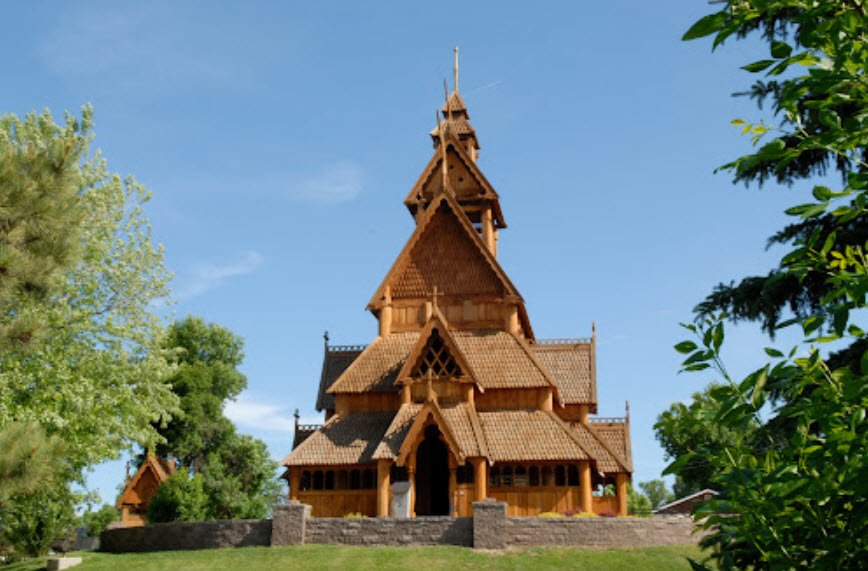
The Scandinavian Heritage Association in Minot, North Dakota, is a dedicated organization focused on preserving and celebrating the rich cultural heritage of the five Nordic countries: Norway, Sweden, Denmark, Finland, and Iceland.
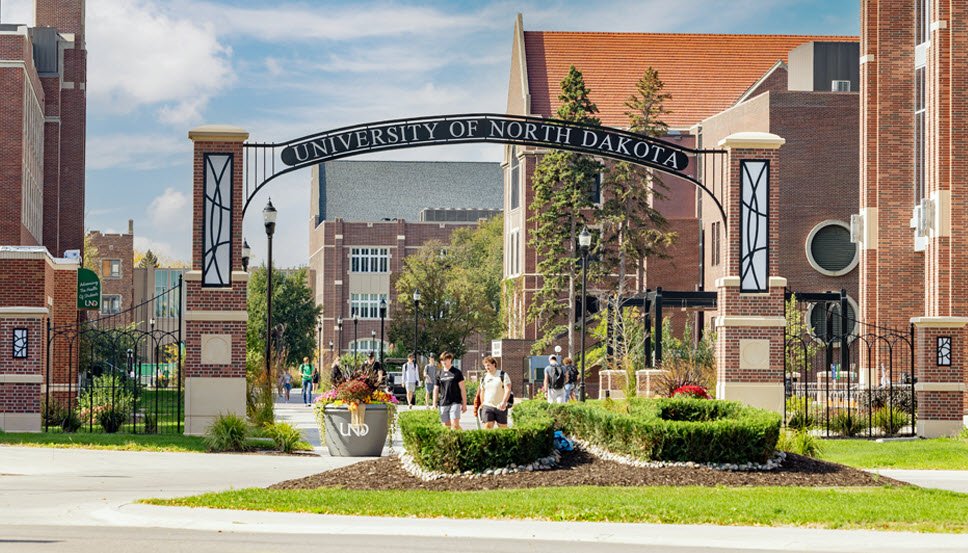
The University of North Dakota (UND), located in Grand Forks, is a public research university founded in 1883 by the Dakota Territorial Assembly, six years before North Dakota statehood, starting with classes in a single building called Old Main amid farms and fields.
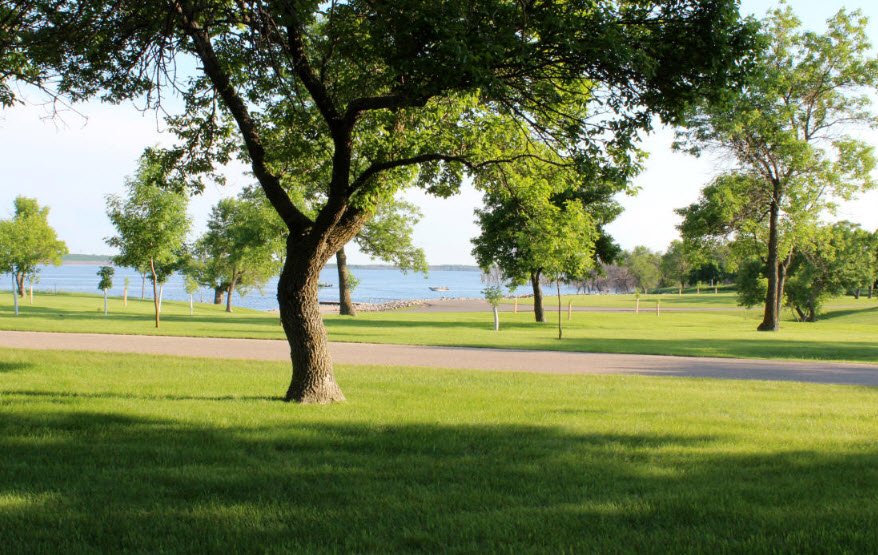
Grahams Island State Park occupies 959 acres on the eastern flank of Grahams Island within Devils Lake, North Dakota's largest natural lake, located about 10 miles west of Devils Lake city via ND-19 and Grahams Island Road.