The Heart Mountain Interpretive Center in Wyoming is a museum dedicated to educating visitors about the Japanese American incarceration during World War II at the Heart Mountain Relocation Center, one of ten internment camps built by the U.S. government.
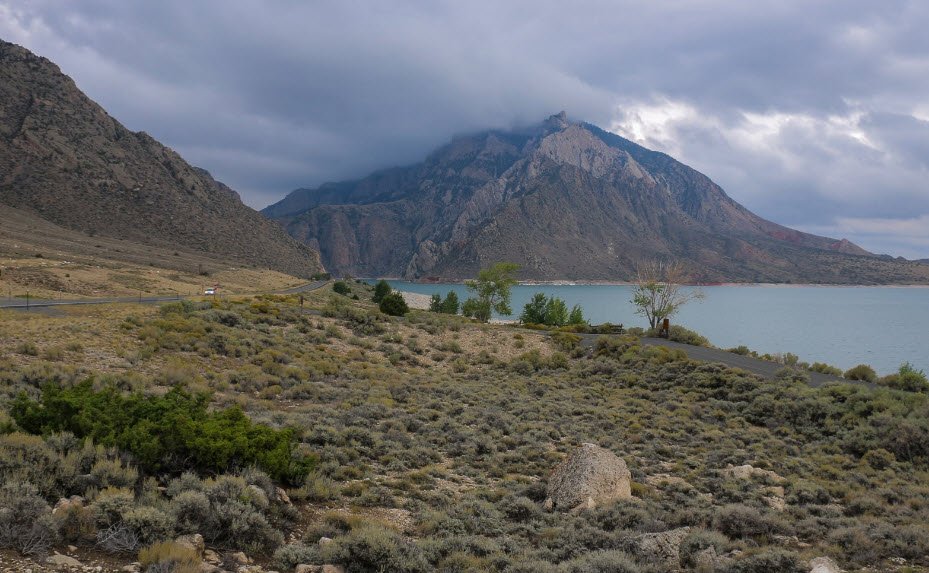
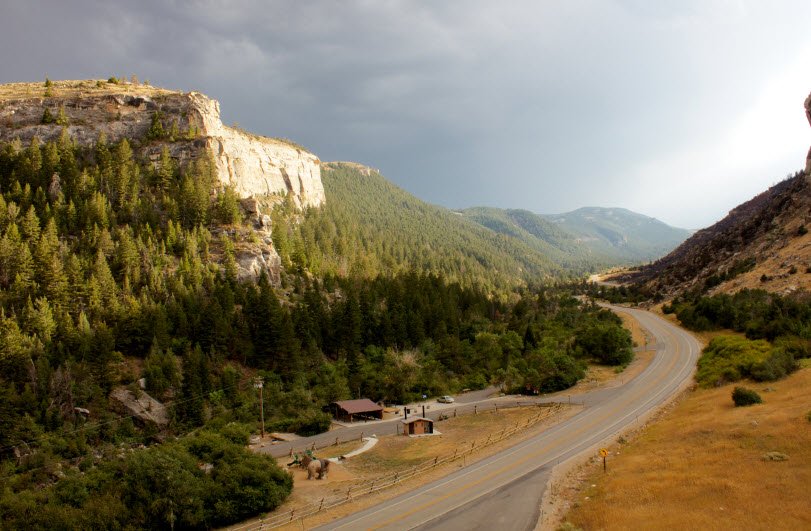
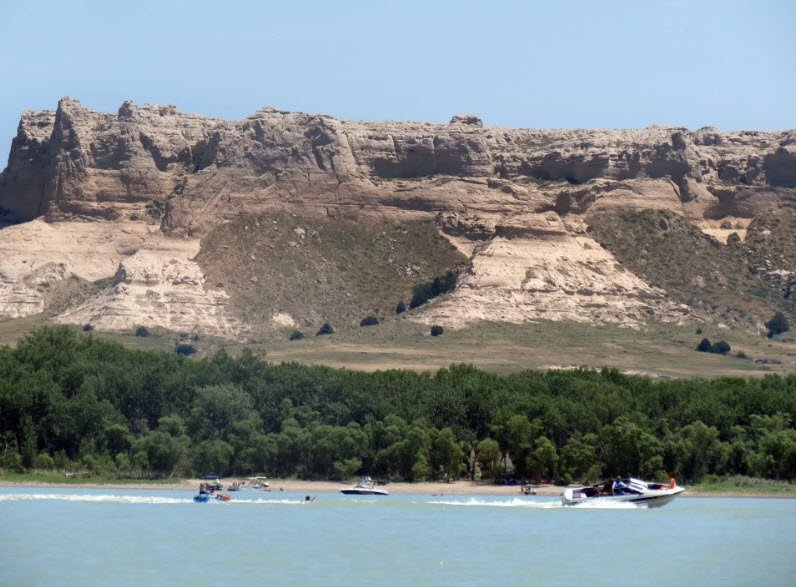
Buffalo Bill State Park surrounds the 9,000-acre Buffalo Bill Reservoir on the Shoshone River in Park County, Wyoming, just nine miles west of Cody along US Highway 14/16/20 and 40 miles from Yellowstone National Park's east entrance.
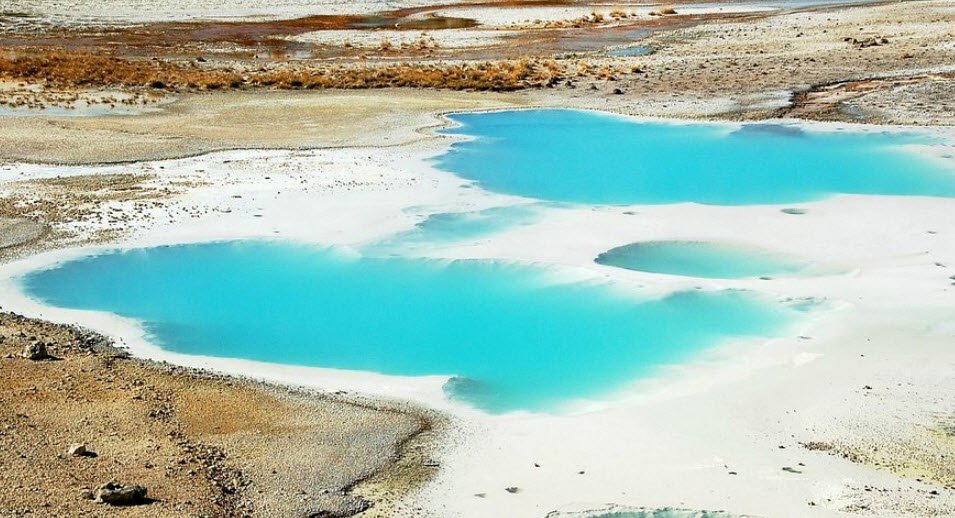
Norris Geyser Basin in Yellowstone National Park, Wyoming, is the park's hottest, oldest, and most dynamic thermal area, featuring steaming vents, bubbling hot springs, and the world's tallest active geyser, Steamboat Geyser, which can erupt up to 300-400 feet high.
The Museum of the Mountain Man in Pinedale, Wyoming, is a historical museum dedicated to preserving and interpreting the rugged era of the early 19th-century mountain men and the Rocky Mountain fur trade.
Fossil Butte National Monument in Wyoming preserves some of the world’s best-recorded fossils from an ancient lake environment that existed around 50 million years ago during the Eocene Epoch.
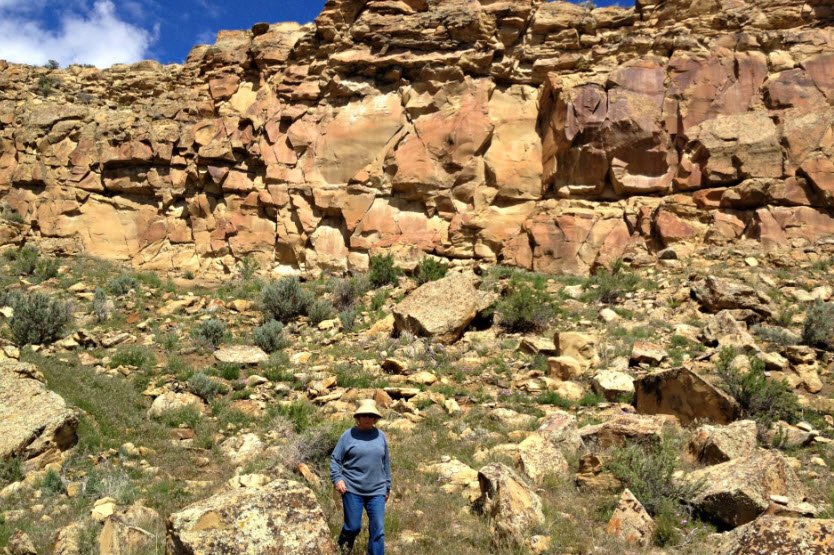
Legend Rock State Petroglyph Site, located 29 miles northwest of Thermopolis in Hot Springs County, Wyoming, features a 400-meter-long near-vertical sandstone cliff etched with over 92 prehistoric panels containing more than 300 petroglyphs in the distinctive Dinwoody style, dating back up to 10,000 years and depicting supernatural figures, animals, and abstract symbols sacred to Native American vision quests.
The Lamar River in Yellowstone National Park, Wyoming, runs about 40 miles from its origins in the Absaroka Range to its confluence with the Yellowstone River near Tower Junction.
Buffalo Bill Dam, located near Cody, Wyoming, on the Shoshone River, was constructed between 1905 and 1910 and was originally named Shoshone Dam before being renamed in 1946 to honor Buffalo Bill Cody.
Yellowstone National Park, established in 1872 as the first national park in the United States and widely considered the world's first national park, spans over 2.2 million acres primarily in Wyoming, extending into Montana and Idaho.
Shoshone Rose Casino & Hotel is a Native American-owned gaming and lodging property operated by the Eastern Shoshone Tribe on the Wind River Indian Reservation, located at 5690 US Highway 287, about four miles northwest of Lander, Wyoming.
Sinks Canyon State Park is a 600-acre public recreation and nature preserve in the Wind River Mountains, six miles southwest of Lander, Wyoming, along Wyoming Highway 131, renowned for its unique geology where the Middle Fork Popo Agie River vanishes into an underground limestone cavern called the Sinks and reemerges a quarter-mile downstream in a calm trout-filled pool known as the Rise.
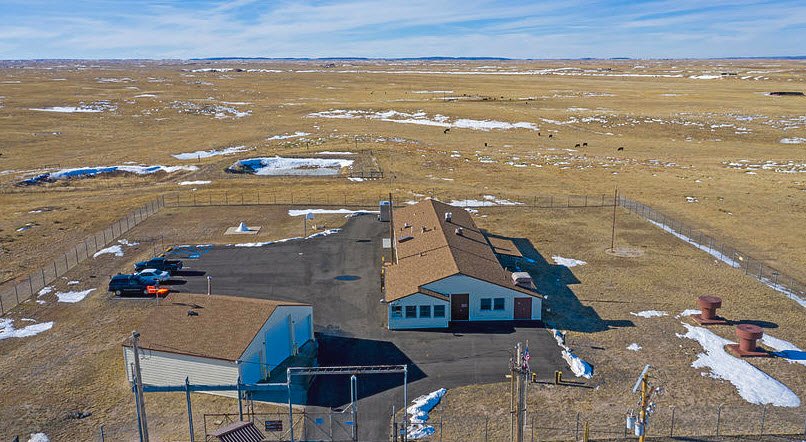
Quebec 01 Missile Alert Facility State Historic Site, located 25 miles north of Cheyenne near Chugwater, Wyoming, preserves the world's only publicly accessible Peacekeeper Missile Alert Facility, originally built in 1962 as a Minuteman I launch control center for F.E. Warren Air Force Base and upgraded through Minuteman III before conversion in 1986 to control 10 Peacekeeper ICBMs—America's most powerful nuclear missiles with 10 warheads each—until deactivation in 2005.
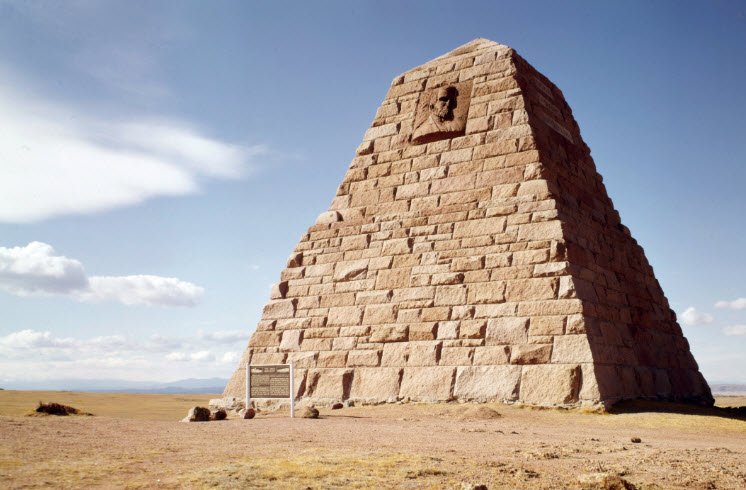
Ames Monument State Historic Site is a striking 60-foot-high granite pyramid located 20 miles east of Laramie in Albany County, Wyoming, at the summit of Interstate 80's Vedauwoo exit, marking the original highest point (8,247 feet) on the 1869 Transcontinental Railroad.
Hawk Springs State Recreation Area is a small 59-acre public recreation spot on the western shore of Hawk Springs Reservoir in Goshen County, Wyoming, located about 10 miles southeast of Hawk Springs and 10 miles north of La Grange.